


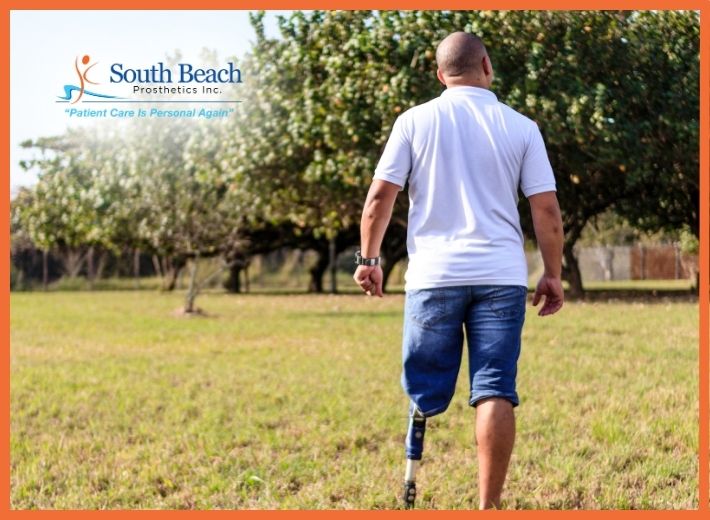
The start of a new year often brings a sense of new beginnings. For individuals beginning life with a prosthesis, that feeling is often mixed with uncertainty, hope, frustration, and determination, sometimes all in the same day.
If you or someone you love is entering the early stages of prosthetic use, it helps to know this: the first 90 days are not about perfection. They’re about learning, adjusting, and building confidence step by step.
At South Beach Prosthetics, we support patients and families closely during this critical early period. Here’s what the first 90 days really tend to look like physically, emotionally, and practically.
Days 1–30: Learning Your New Normal
The first few weeks with a prosthesis are filled with discovery. Everything is new — how the prosthesis feels, how long it can be worn, and how your body responds.
What’s common during this stage:
- Wearing the prosthesis for short periods, often just a few hours at a time
- Tenderness or mild skin irritation as the residual limb adapts
- Swelling that changes throughout the day
- Frequent follow-up visits and small adjustments
- Physical and emotional fatigue
This phase can feel discouraging, especially if expectations were high. It’s important to remember that discomfort does not mean failure; it means your body is learning.
Early prosthetic use almost always involves adjustments. Your residual limb is still changing, and refining the fit is a normal part of the process.
Helpful reminder: Consistency matters more than endurance. Short, comfortable wear times done regularly are more effective than pushing through pain.
Days 31–60: Building Strength and Confidence
As you move into the second phase, you start to feel more comfortable and less unsure, but problems don’t go away.
What often improves:
- Increased tolerance for longer wear times
- Deeper understanding of fit adjustments and sock management
- More active participation in physical therapy
- Small but meaningful functional gains, such as improved balance or longer walks
Progress during this phase is rarely linear. One day may feel like a breakthrough; the next may feel frustrating. This back-and-forth is normal.
This period is also when gait training becomes especially important. Learning proper movement patterns early helps protect the back, hips, and joints, setting the foundation for long-term comfort and mobility.
Emotionally, this stage can bring mixed feelings. As the prosthesis becomes part of daily life, thoughts about independence, body image, and identity may surface more clearly.
Helpful reminder: Feeling uncertain or frustrated does not mean you’re falling behind. It means you’re adapting.
View this post on Instagram
Days 61–90: Settling Into Daily Life
By the final phase of the first 90 days, many individuals begin shifting from learning to living.
Common changes include:
- More predictable wear schedules
- Greater independence with daily activities
- Improved awareness of skin care and limb health
- Increased confidence moving through home and community spaces
That said, this stage is not a finish line. Adjustments may still be needed, and energy levels can vary. Some people feel eager to do more, while others recognize the need to pace themselves.
For caregivers and family members, support often shifts during this phase from hands-on help to encouragement, reassurance, and respectful independence.
At South Beach Prosthetics, we emphasize that long-term success comes from patience, communication, and ongoing care, not rushing the process.
View this post on Instagram
What Many People Don’t Expect
One thing that people don’t often discuss in the first 90 days is how emotionally complicated the experience can be, even when physical progress is going well.
Many people think that once they get a prosthesis, they will automatically feel more confident and motivated. In reality, emotional adjustment usually takes longer. As people settle back into their daily routines, they may start to think more deeply about what has changed and what feels strange. These thoughts can come up at any time, even when things are quiet or after a pleasant day.
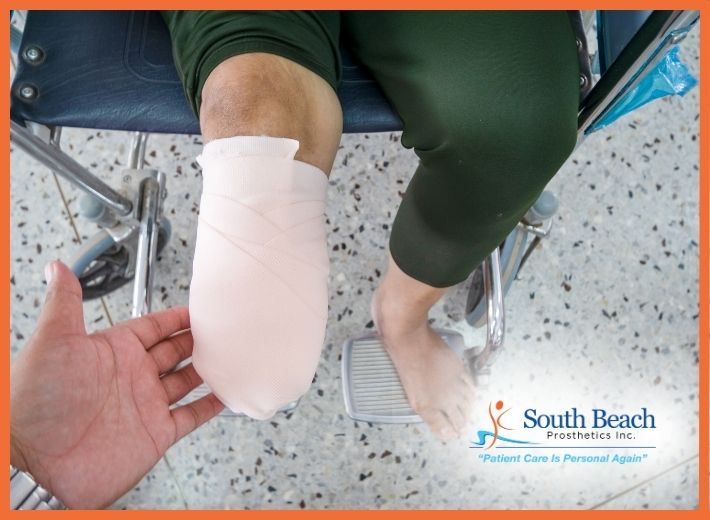
It’s common to experience:
- Pride in new achievements alongside grief for what was lost
- Excitement about independence mixed with fear of falling or failing
- Relief at moving forward paired with frustration about limitations
These emotional swings don’t mean anything is wrong. They are a common reaction to significant changes in life. Healing can happen in a healthier way when you acknowledge your feelings instead of pushing them down.
For a lot of people, the emotional adjustment lasts much longer than the first 90 days. Getting this early can help you stop judging yourself and set realistic goals.
How Families and Caregivers Can Help
Families and caregivers play an essential role during the first 90 days, not by having all the answers, but by creating an environment of safety, patience, and encouragement.
Support is often most effective when it looks like
- Encouraging progress without rushing it, allowing the individual to move at their own pace
- Listening without immediately offering solutions, especially when emotions run high
- Normalising frustration and fatigue, rather than minimising them
- Celebrating small wins, such as increased wear time or improved balance
It’s also important for caregivers to recognize their limits. Supporting someone through recovery can be physically and emotionally demanding. Taking breaks, asking for help, and prioritizing self-care are not signs of weakness; they are necessary for sustainable support.
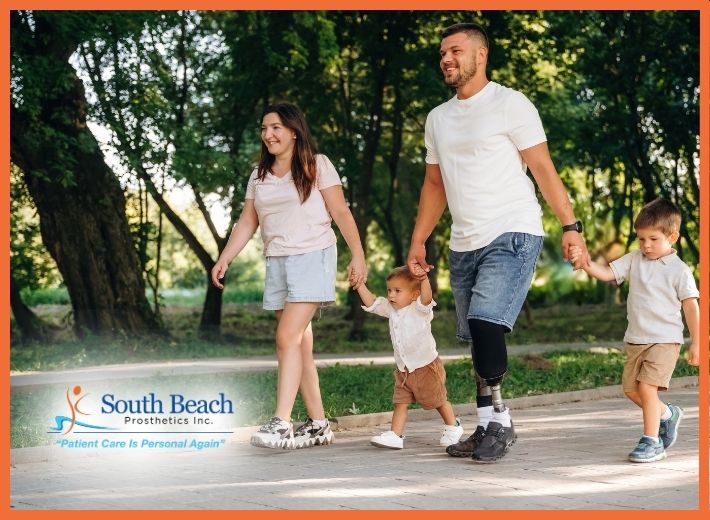
As recovery progresses, families often need to shift from hands-on assistance to encouragement and trust. Allowing space for independence, even when it feels uncomfortable, helps rebuild confidence and autonomy.
Recovery works best when it’s approached as a shared journey, one built on communication, respect, and compassion.
Start the New Year with the Right Support
The first 90 days with a prosthesis are about laying a foundation, not achieving perfection. With time, guidance, and patience, routines begin to settle, confidence grows, and everyday life becomes more manageable.
If you’re beginning the year with a prosthesis, or supporting someone who is, having the right information can make this period feel less overwhelming and more empowering.
That’s why South Beach Prosthetics created a free educational resource designed for both patients and caregivers:
Download our free “Caring for the New Amputee: Daily Care & Safe Transfer Guide.”
This step-by-step guide helps families understand:
- Daily residual limb care and skin health
- Swelling management and hygiene routines
- Safe transfers at home and on the go
- What to expect in the early stages of prosthetic use
- How caregivers can provide support safely and confidently
A new year doesn’t require rushing forward. Occasionally, it simply asks for patience, understanding, and one steady step at a time.
At South Beach Prosthetics, we’re honored to support individuals and families through every stage of recovery, from the first fitting to long-term mobility and independence.
 Monday – Friday